Posts

Feeding the Future: The Importance of Supporting Ag’s Next Generation

Young dairy farmer

This article was contributed by Farm Credit to NIAA’s member-only newsletter, Paradigm, in May 2025. 

It’s hard to discuss agriculture without using the word “generation.” Whether describing a fourth-generation row crop operation or a first-generation cattle producer, the term reflects those deep ties between people, land and the animals that sustain us.

Perhaps the most important iteration of the word, however, is the next generation — the young producers we rely on to pick up the mantle of feeding their families and communities. This could mean keeping a storied family operation humming along for another few decades. It could also mean taking the leap to purchase those first few acres of land.

This is an enormous—and vital—responsibility in an aging industry. As of the 2022 Census of Agriculture, only 9% of farmers are under 35 years old, amounting to just 296,480 producers across the nation. Over 40% of American farmers are 65 and older, with an average age of 58.

Farm Credit recognizes the critical importance of agriculture’s next generation — and that we must ensure young and beginning producers have the resources, capital, and support they need to sustain their operation, whether it’s first-generation or multi-generational. From personalized financing options to leadership development for beginning farmers, supporting agricultures’ next generation embodies Farm Credit’s mission.

Each Farm Credit institution across the nation offers specialized resources and services tailored to support the success of its young and beginning producers, including educational programming, mentorship opportunities, financial counseling, and grants and scholarships. Additionally, Farm Credit partners with several elite organizations focused on providing training and resources for young and beginning farmers. Farm Credit is proud to partner with the National Institute for Animal Agriculture (NIAA) as a sponsor of their preeminent leadership program, Advanced Training for Animal Agriculture Leaders.

 This 16-month program, currently in its fourth cohort, is a world-class leadership and experiential learning opportunity for leaders in animal agriculture, empowering them to bring positive transformation to the industry. Each cohort’s twenty individuals complete a rigorous curriculum tailored to the goals of the group, built into sessions that focus on developing critical thinking, leadership, connectivity within the industry and operational excellence. Session sponsors also engage with participants and assist with curriculum content, further enhancing the quality of programming and networking opportunities.

At the end of the program, cohorts apply their curriculum and developed skills to a final capstone project, which is shared at the NIAA Annual Conference. Ultimately, each individual departs the program equipped with a more dynamic understanding of the animal agriculture industry and advanced skills to lead its next generation.

An investment in the next generation of agriculture is an investment in the future of the U.S. We must continue to uphold and support programs, including Advanced Training for Animal Agriculture Leaders, that support the strength and development of those interested in agriculture. When young producers are equipped with the right resources, it’s not just their operation that emerges stronger — it’s our nation.

NIAA_Email%20Banner%20(27).png


Read more about the Advanced Training for Animal Agriculture Leaders here and here.

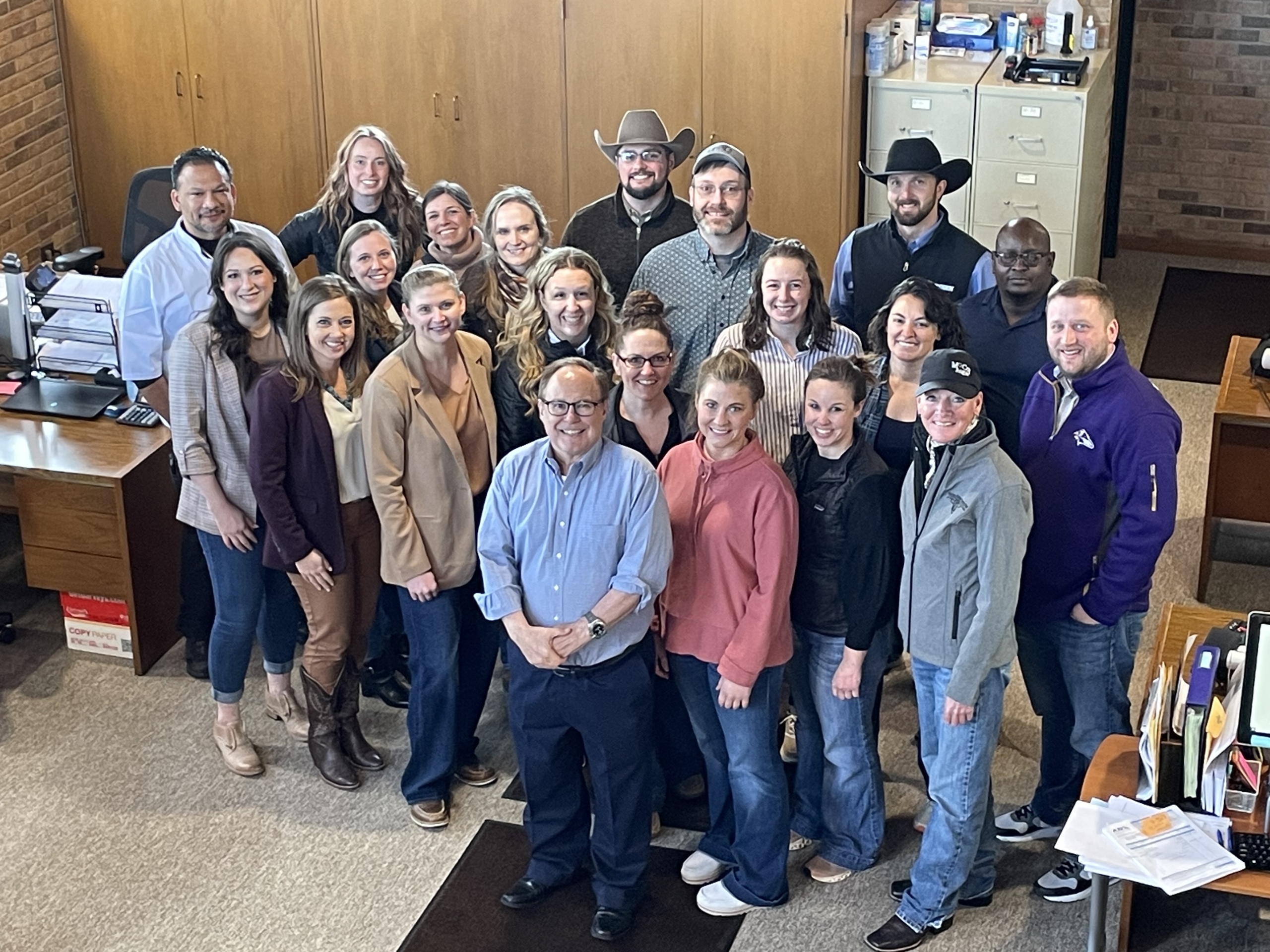
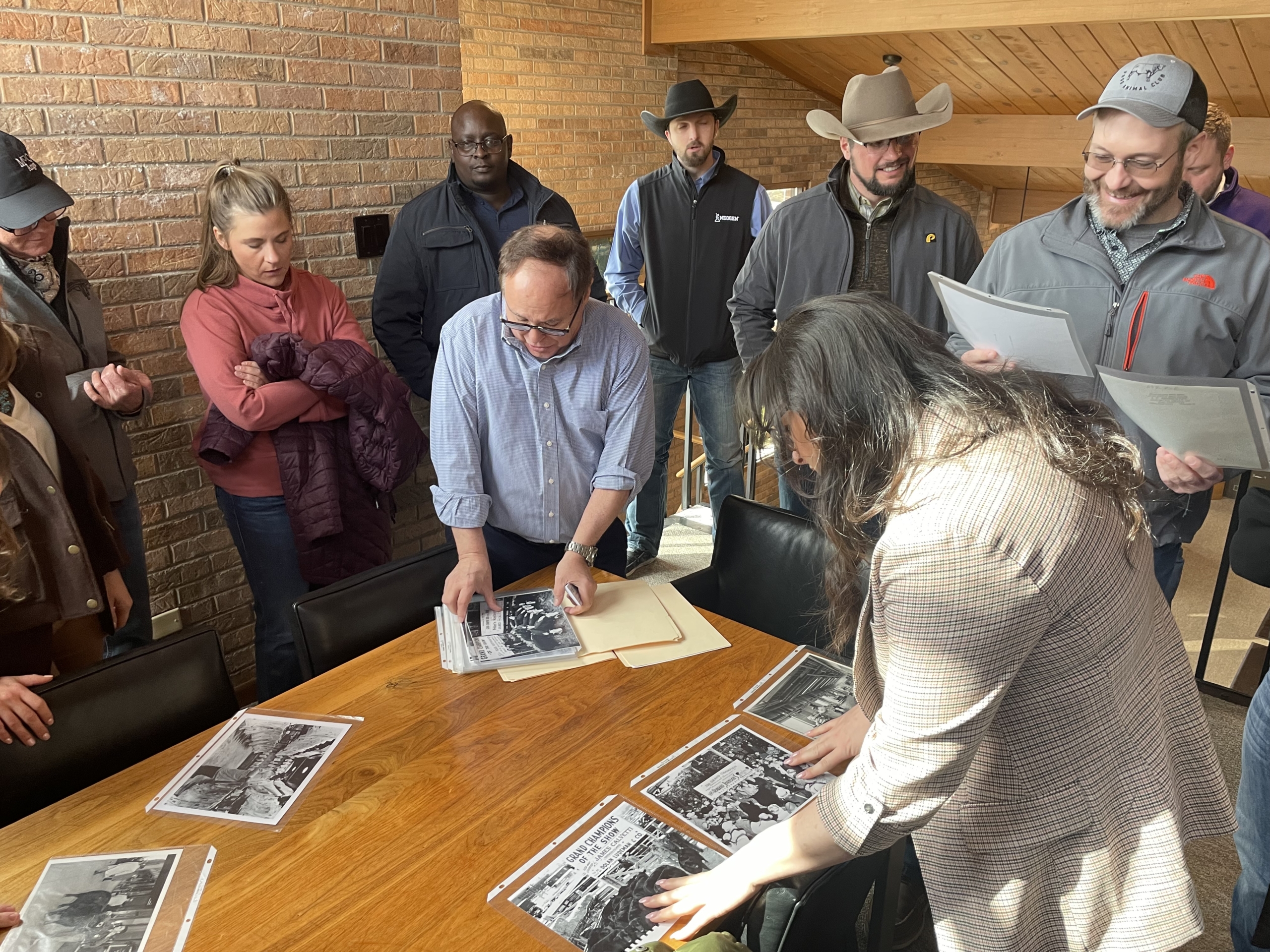
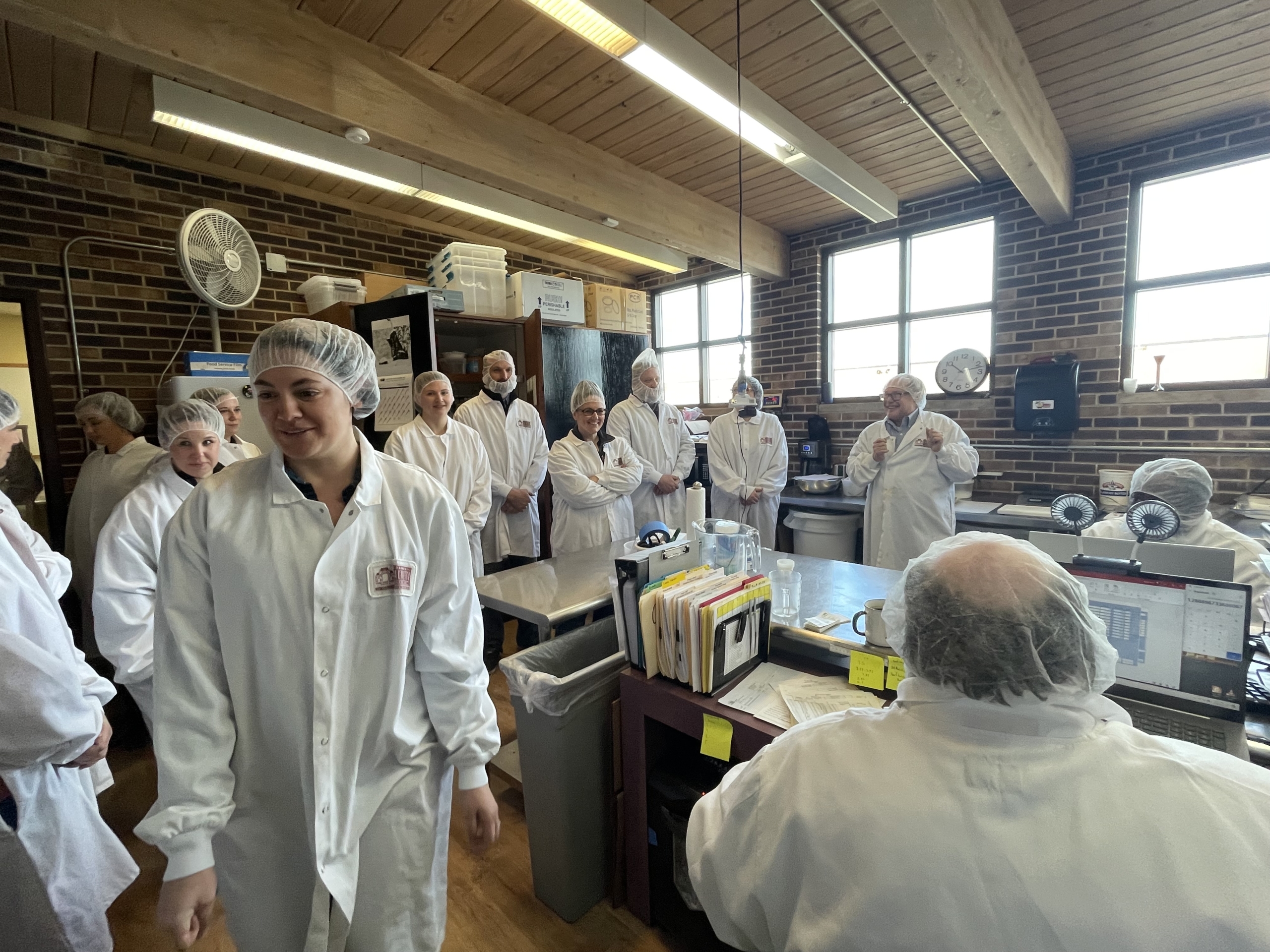
Cohort 4 of NIAA’s Advanced Training for Animal Agriculture Leaders explore ag tech in Lincoln

The fourth Cohort of the National Institute for Animal Agriculture’s (NIAA) Advanced Training for Animal Agriculture Leaders met for their third in-person leadership training session in Lincoln, Nebraska from July 15-18, 2025. 

During their time in the Lincoln area, the leaders learned from: 

  • Attending and participating in the AgTech Connect event on UNL’s Innovation Campus – Cohort members spent time connecting with Midwest Ag Tech leaders and learning more about where Ag is headed in the future. 
  • Spent day 2 meeting with startup leaders discussing up and coming technology, startup success from idea to a product going to market, and leadership skills needed to start up an organization (EmGenisys – Dr. Cara Wells; Birds Eye Robotics – Dusty Reynolds; ALA Engineering – Jacob Hansen; Marble Technologies – Britany Wondercheck). 
  • Engaged in discussion with Jill O’Donnell and her team from The Clayton Yeutter Institute of International Trade and Finance discussing the current landscape of international trade and tariffs and what that looks like for the future of Animal Agriculture.  
  • Participated in a strengths session focused on using our individual strengths to be a forward focused leader. (J.J. Jones) 
  • We spent Friday with Andrew Uden (Herddogg) at the UNL research yards discussing the use of their tags and learning about ongoing research projects from the lead researchers there.  

The Advanced Training for Animal Agriculture receives support from Farm Credit and this session was made possible with planning and hosting support from The Combine and NIAA board member, Jared Wareham.  

The fourth Cohort of the Advanced Training for Animal Agriculture Leaders represents a wide range of agricultural sectors to advance animal agriculture’s role in today’s food system. Participants include : 

  • Melissa Davis, Where Food Comes From 
  • Amber DeWitt, Fulcrum Global Capital 
  • Alexandra Eckhoff, New Mexico Livestock Board 
  • Haley Grimes, American Humane 
  • Meggan Hain, NMPF
  • Ben Hopkins, DSM-Firmenich 
  • Nicki Humphrey, California Department of Food and Agriculture 
  • Darrin Karcher, Perdue University 
  • Hollie Kremer, Cooper Farms 
  • Sarah Metzler, Cattleman’s Beef Board, Beef Checkoff 
  • Claire Mulligan, ABS Global 
  • Elena Myhre, International Poultry Welfare Alliance/US-Roundtable for Sustainable Poultry and Eggs 
  • Brittany Shonka-Martin, ABS Global 
  • Ryan Sorensen, United Producers, Inc. 
  • Charlotte Talbott, Rabobank 

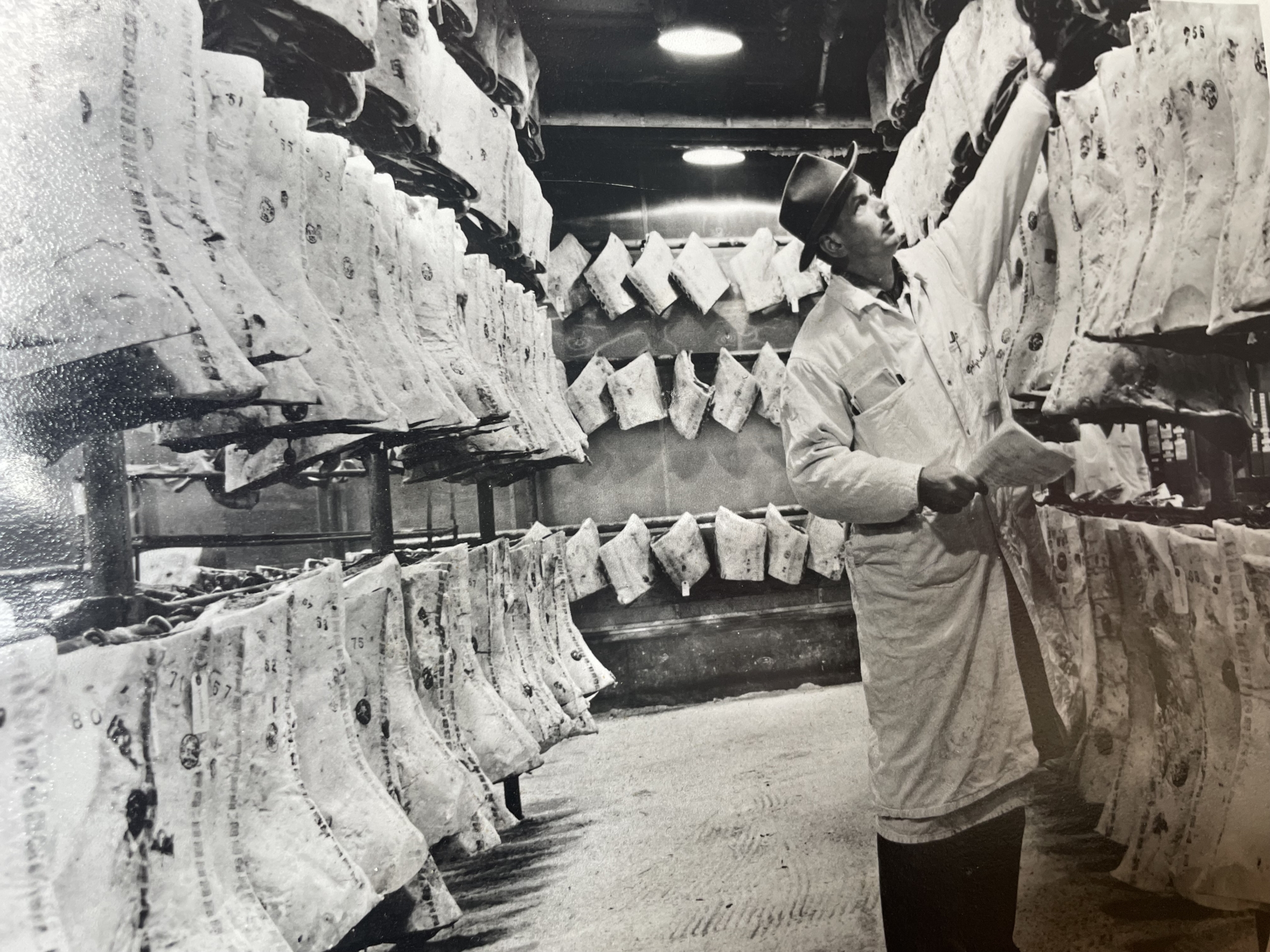
See photos from the leadership session, below.


To learn more about the program, how to support up-and-coming leaders, or how to participate in the next cohort, visit https://www.animalagriculture.org/leadership-program/ for more information and email Jessie Wadle at Jessie.Wadle@animalagriculture.org. 


NIAA Releases Lameness Across Species White Paper

The National Institute for Animal Agriculture hosted animal agriculture leaders that addressed challenges stemming from lameness across all food animal species and have now released a White Paper compiling the findings.

NIAA’s Animal Disease Issues & Emergency Management Council hosted a roundtable discussion lameness across all food animal species at the International Production & Processing Expo (IPPE) in Atlanta, GA in January. This roundtable featured industry experts and explored research regarding causes, prevention methods, and treatment of bone health and lameness-related diseases in livestock and poultry.

“Lameness is a leading problematic sustainability and animal health issue that all livestock species face. We had a great turnout at the roundtable and hope the white paper will lead to more people joining the conversation to collectively address the problems,” said NIAA’s Sustainability Council Chair, Dr. Kaitlyn Briggs, Dairy Welfare Manager at fairlife,LLC.

Lameness could be defined as a disorder of the musculoskeletal system, an injury, disease, or anatomical problem of the affected animal that results in an abnormality or change in gait or stance. Lameness remains a challenging condition to tackle because it is inherently difficult to diagnose with species of food animals presenting vastly different symptoms, ranging from subtle to overt, all at different stages of severity.

The white paper can be accessed at the NIAA website and is complementary to attendees and NIAA members. To become a member for complementary access to NIAA’s resources, visit www.AnimalAgriculture.org.


Animal Agriculture Leaders Gather for Industry Preservation

Kansas City, Mo. (April 14, 2025) – Last week, the National Institute for Animal Agriculture (NIAA) hosted the 2025 Annual Conference – Securing Our Future: Don’t Just Talk…Act! in Kansas City, Missouri. More than 110 attendees focused on the future of animal agriculture and how to maintain trust throughout the value chain. Additionally, industry leaders were honored and new directors were elected to the NIAA board.

Animal agriculture benefits from those who consistently go above and beyond for the industry. NIAA recognizes those outstanding professionals each year at Annual Conference. The Chairman’s and President’s Awards recognize animal agriculture leaders who have been especially supportive, inspiring, and trusted by leaders within NIAA and have contributed significantly to its success. Animal Agriculture Advocates use their voice and platforms to push animal agriculture forward. The Meritorious Service Award is presented to animal agriculture leaders who have invested their career to advancing our sector and is the longest standing award – first presented in 1965. The 2024 honorees were:

  • Chairman’s Award:
    – Dr. Eric Moore, Director of Technical Services – Norbrook, Inc.
  • President’s Award
    – Dr. Kaitlyn Briggs, Dairy Welfare Lead – fairlife, LLC
  • Advocate for Animal Agriculture Award
    – U.S. Agriculture Partnership Fund
  • Meritorious Service Award
    – Polly Ruhland, Senior Managing Director – FTI Consulting.

NIAA confirmed the following new board members during the annual membership meeting:

  • Pierce Bennett, Michigan Farm Bureau
  • Dr. Nathan Voris, Zoetis
  • Dr. Mark Roozen, Kentucky Department of Agriculture
  • Dr. Steve Strubberg, Missouri Department of Agriculture.

Jared Wareham – Horizon Venture Management, Kelly Loganbill – Bader Rutter, and Paul Koffman – Merck Animal Health were reconfirmed for their second term to the NIAA board of directors.

NIAA’s Annual Conference program began on Monday, April 7 with capstone presentations from Cohort 3 of the Advanced Training for Animal Agriculture Leaders. The presentation topics included Data Collection for a Healthier World, Responsible Use of Technology, Globalization in Animal Agriculture, and The Future of Animal Agriculture. Following the capstone presentations, NIAA Councils and Working Groups met with members to discuss the coming year and hosted speakers. Council meeting speakers included:

  • Animal Disease Issues & Emergency Management
    − Dr. Kate Dion, Iowa State University
    Identifying biosecurity hazards through disease outbreak investigations
    − Dr. Julia Herman, National Cattlemen’s Beef Association
    Enhanced biosecurity planning resources for foot-and-mouth disease preparedness for cattle veterinarians & producers
    − Dr. Megan Niederwerder, Swine Health Information Center
    SHIC Update on Japanese Encephalitis Virus Prevention and Preparedness for the US Swine Industry
    − Dr. Jason Lombard, Colorado State University
    WALK, RUN , CRAWL- H5N1, what we have learned in dairy cattle this past year
    − Dr. Jennifer Siembieda, USDA – APHIS
    Overview of HPAI in Dairy Cattle

  • Animal Identification & Information Systems

− Garrett Girk, Kansas Department of Agriculture
A State’s Perspective on EID
− Callahan Grund, U.S. CattleTrace
The Progression of ID and Technology: How we can accomplish an Animal Disease Traceability System for the US Beef Cattle Industry.

Andy Curliss, National Pork Producers Council opened the agenda on Tuesday, April 8 with a fascinating review of the ballot initiatives across the U.S. and the efforts from activist groups campaigning against animal agriculture.

Danette Amstein from Midan Marketing shared the latest consumer insights from the protein sector, including the different types of consumers and their unique buying habits.

Julie Broadway from the American Horse Council led a License to Operate panel that included experiences and expertise from

  • Rick Stott, Superior Farms
  • Dr. Jim Heird, Texas A&M University
  • Matt Durian, The American Royal
  • J.J. Jones, NIAA

NIAA Board Chair, Chelsea Good moderated the Ag Legislation panel featuring association executives. Topics included upcoming association policy priorities, trade, tariffs, and the farm bill. The speakers featured, were:

  • Michael Schumpp, The Meat Institute
  • Julie Broadway, American Horse Council
  • Andy Curlis, National Pork Producers Council
  • Zach Helder, Kansas City Agricultural Business Council
  • Justina Graff, U.S. House of Agriculture Committee.

Dr. Kaitlyn Briggs, fairlife, moderated a conversation with board members from the U.S. Ag Partnership Fund:

  • Collin Peterson, Former Chairman of the US House Agriculture Committee
  • Randy Russell, President of the Russell Group and former USDA Chief of Staff
  • Lisa Van Doren, National Council of Farmer Cooperatives Vice President and Chief of Staff.

Joel Leftwich from Kansas Farm Bureau and the U.S. Agriculture Partnership Fund closed the day’s program with a closing challenge to the audience on how to move forward and get ahead of activist initiatives.

Two additional sessions were held on April 9. The American Sheep Industry Association hosted What’s Next After Scrapie Eradication? to discuss the next steps once Scrapie is declared eradicated in the U.S. NIAA hosted a meeting for awardees and stakeholders of the USDA National Animal Disease Preparedness & Response Program (NADPRP). After discussing the survey results from their project, NIAA hosted a panel featuring Dr. Tiffany Lee, Clemens Food Group, Dr. Julia Herman, NCBA, and Dr. Cheryl Eia, Iowa State University reviewing their experiences with program successes and opportunities.

Learn more about the award honoreesboard members, the Advanced Training for Animal Agriculture Leaders, and upcoming NIAA events at  www.animalagriculture.org/.

NIAA Selects Fourth Leadership Class

Sixteen leaders have been selected for the 4th Cohort of the Advanced Training for Animal Agriculture Leaders Program


The fourth class participating in the National Institute for Animal Agriculture’s (NIAA) Advanced Training for Animal Agriculture Leaders has been selected and will convene for their first session in Washington, D.C. in March 2025.

The Advanced Training for Animal Agriculture Leaders furthers NIAA’s mission to foster collaboration throughout the industry. NIAA established the leadership program in 2021 to provide an opportunity for animal agriculture leaders to gain next-level leadership and professional development training. What makes the Advanced Training for Animal Agriculture Leaders unique is that its curriculum and experience is co-designed by the leadership cohort and is specifically designed for the animal agriculture segment of the industry.

The Fourth Cohort is comprised of 16 leaders spanning the agricultural sectors and contributing to animal agriculture’s role in today’s food system. NIAA welcomes:

  • Melissa Davis, Where Food Comes From
  • Amber DeWitt, Fulcrum Global Capital
  • Alexandra Eckhoff, New Mexico Livestock Board
  • Miguel Gonzalez, USAID, USDA-Foreign Agricultural Service
  • Haley Grimes, American Humane
  • Meggan Hain, CROPP Cooperative/Organic Valley
  • Ben Hopkins, DSM-Firmenich
  • Nicki Humphrey, California Department of Food and Agriculture
  • Darrin Karcher, Purdue University
  • Hollie Kremer, Cooper Farms
  • Sarah Metzler, Cattleman’s Beef Board, Beef Checkoff
  • Claire Mulligan, ABS Global
  • Elena Myhre, International Poultry Welfare Alliance/US-Roundtable for Sustainable Poultry and Eggs
  • Brittany Shonka-Martin, ABS Global
  • Ryan Sorensen, United Producers, Inc.
  • Charlotte Talbott, Rabobank

The 16-month program receives support from Farm Credit and was created by NIAA to empower professionals in the early to midpart of their careers to build on previous leadership development experiences and collaborate with peers across the industry. The cohort attends five in-person meetings with additional monthly virtual working sessions to focus on four areas of development: critical thinking, leadership development, connecting and relating skills, and operational excellence. Leaders are also tasked with a group capstone project presented to NIAA’s board to complete their leadership training.

“It is refreshing to see professionals from very diverse backgrounds, with different roles, from varying geographical areas come together to problem solve, discuss, and work together for the betterment of animal agriculture as a whole,” said Jessie Wadle, NIAA manager of education and the supervisor of the leadership program. “This program is a true testament to the idea that we are so much better and can affect positive change when we come together. The participants in the program are making connections and friends that they can call on for advice and collaboration for the rest of their lives.”

NIAA is excited to welcome these new leaders to the leadership program and to the organization. To learn more about the program, it’s sponsors and how to participate in the next cohort, visit https://www.animalagriculture.org/leadership-program/. Email Jessie Wadle at Jessie.Wadle@animalagriculture.org if you are interested in participating or nominating for a future cohort.


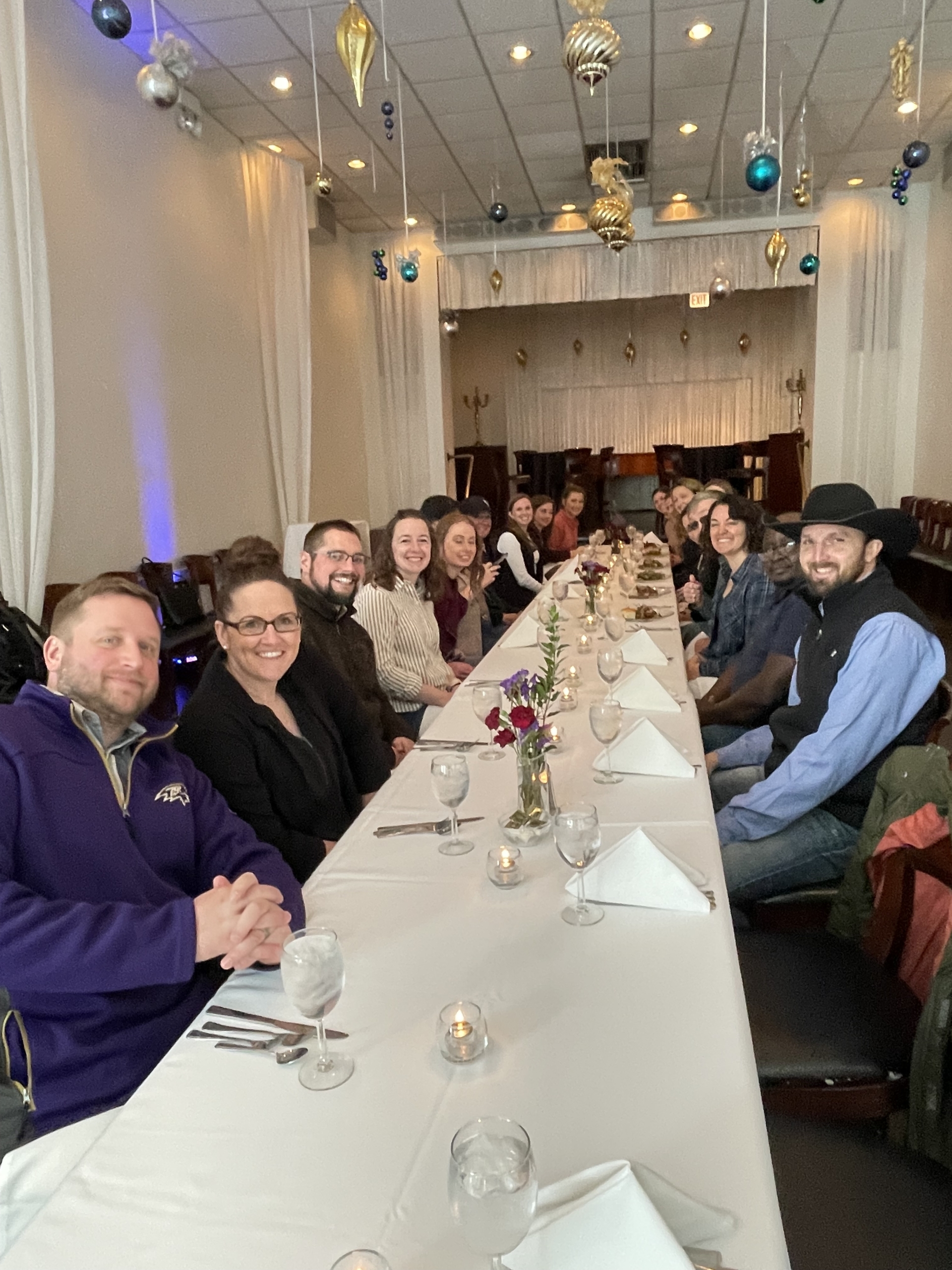
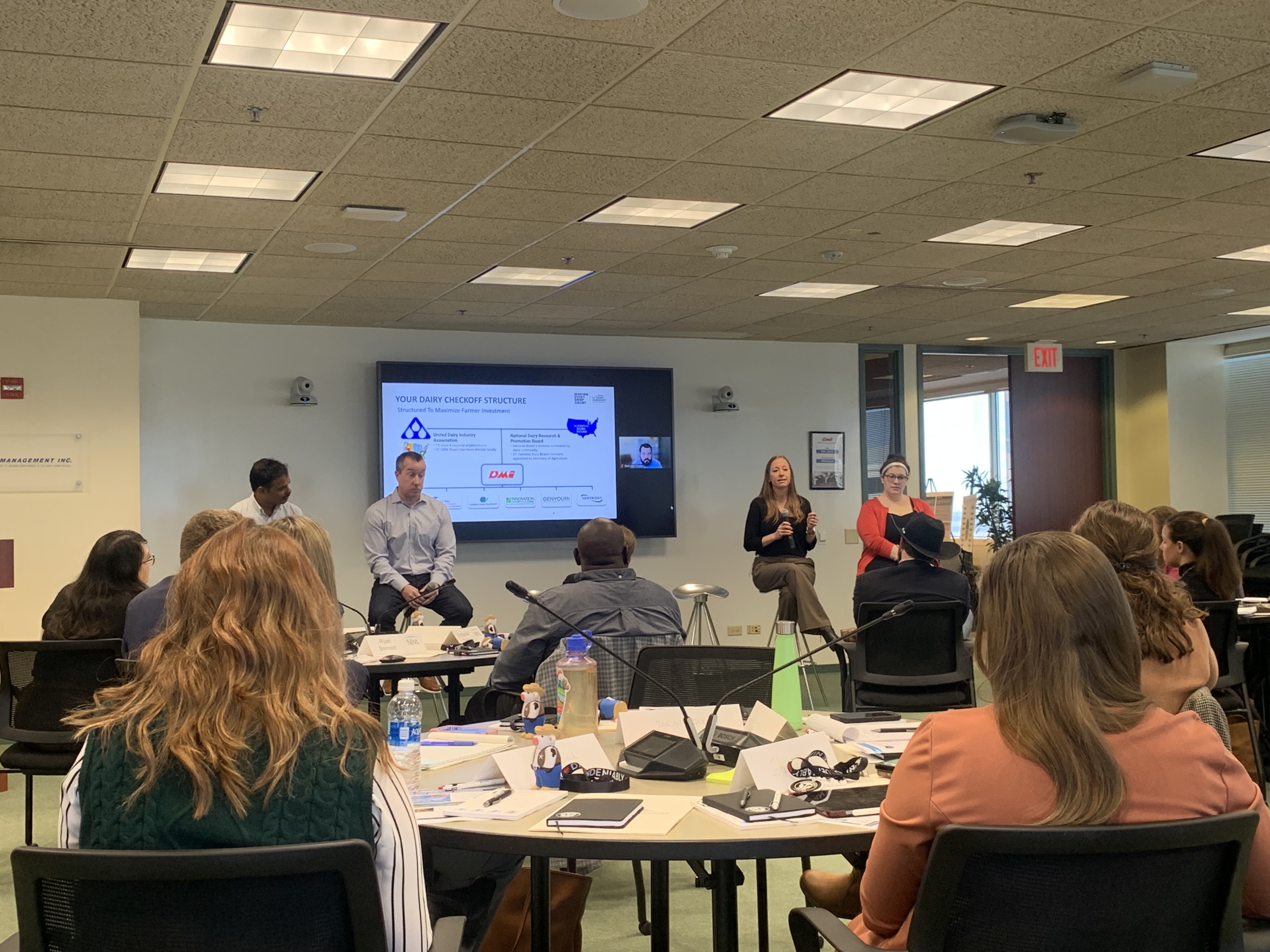
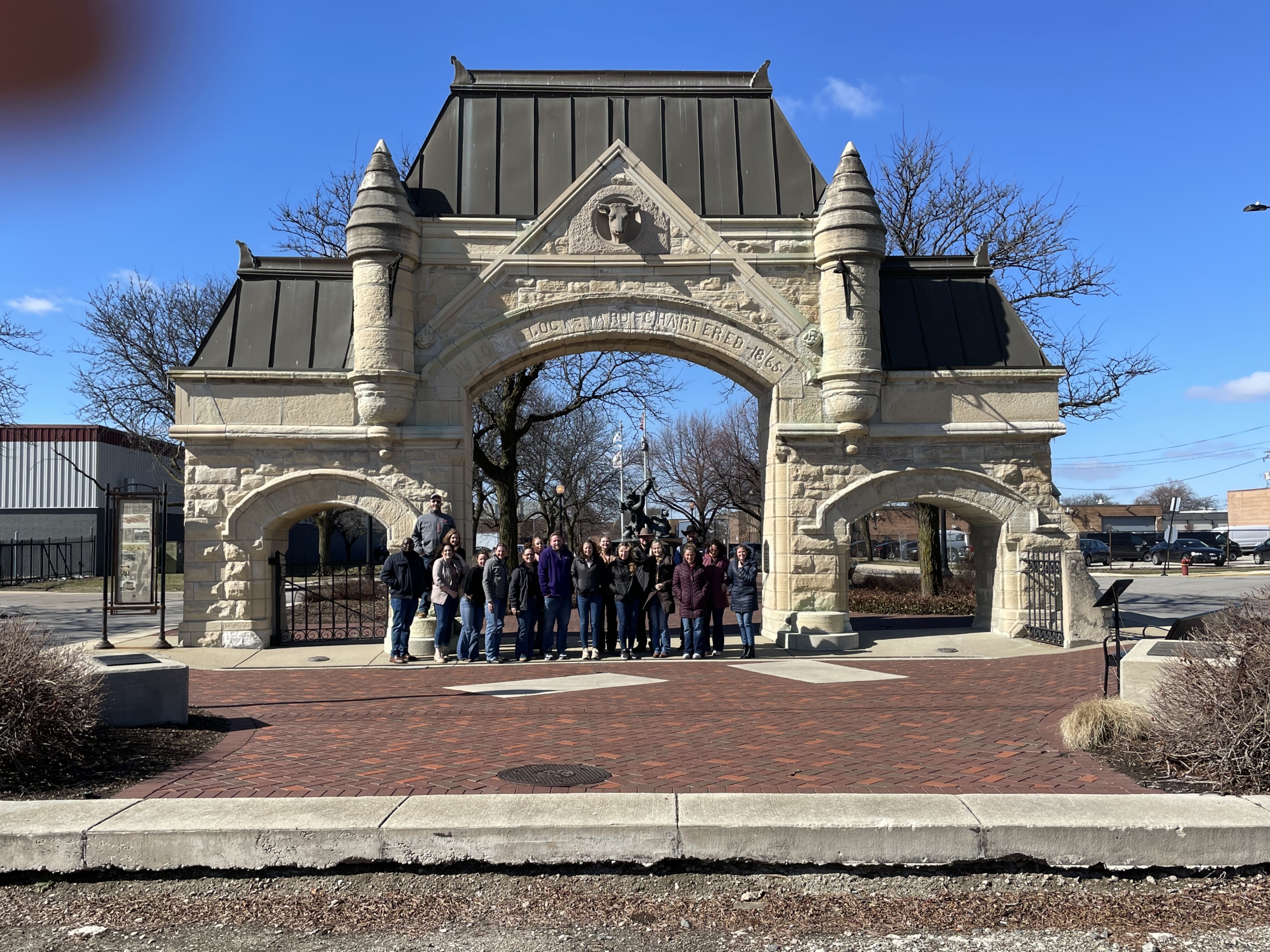
Cohort 3 Leaders Tour Denver Agriculture Institutions

NIAA’s Lameness Across Species Roundtable Will Address Health Problems Faced in Animal Agriculture

Animal health experts from all food-animal species will collectively confront lameness issues in animal agriculture prior to IPPE in Atlanta, GA.

The National Institute for Animal Agriculture will host animal agriculture leaders will discuss the current state of research and treatment for lameness across food animal species before the International Production & Processing Expo (IPPE) in Atlanta, Georgia, January 27-28. Registration for the Roundtable will include a complementary code to attend IPPE.

NIAA’s Animal Disease Issues & Emergency Management Council will lead the inaugural roundtable discussion to explore current knowledge and research regarding causes, prevention methods, and treatments for bone health and lameness disease(s) in food animal species – livestock and poultry. Lameness is a problem affecting all species of animal agriculture. One of NIAA’s guiding principles is to convene leading experts to deliver science-based, reliable and trusted perspectives on the industry’s most challenging topics. By convening leaders from across species, animal agriculture will collectively find solutions that may be applied across the industry.

The speakers for the roundtable with expertise in lameness and related diseases will include:

  • Kate Weathers Barger, KB Animal Welfare Consulting
  • Scott Crain, VeriPrime
  • Meredyth Jones, Oklahoma State University
  • Jan Shearer, Iowa State University
  • Meghann K. Pierdon, University of Pennsylvania
  • Adnan Alrubaye, University of Arkansas
  • Bruno Menarim, Gluck Equine Research Center
  • Jennifer Wilson-Welder, National Animal Disease Center – USDA-ARS
  • Doug Ensley, Boehringer Ingelheim
  • Lucas Pantaleon, NIAA Council Co-Chair
  • Adnan Alrubaye, University of Arkansas
  • Kaitlyn Briggs, FairLife

“We are looking forward to a great, collaborative discussion about the issues each species experience and how animal agriculture leaders can collectively address the problems,” said Council co-chair, Dr. Lucas Pantaleon. Outputs from the roundtable will include a white paper along with the next steps – plans to address bone health and lameness.

To learn more about the roundtable and speakers, please visit NIAA’s website, www.AnimalAgriculture.org. Registration fees are $200 for NIAA members and $250 for non-members and will include a complementary code to attend IPPE. For assistance with media registration, please contact Morgan Young, Director of Communications and Outreach for the National Institute for Animal Agriculture at morgan.young@animalagriculture.org.

Public Health and Animal Agriculture Leaders Convene for One Health

The National Pork Board (NPB) partnered with the National Institute for Animal Agriculture (NIAA) to convene a group of public health, animal health and swine professionals in Sioux Falls, South Dakota, to build relationships and explore opportunities for One Health collaborations. The event was sponsored by the Pork Checkoff with the support of several state pork associations and producers from Minnesota and South Dakota.

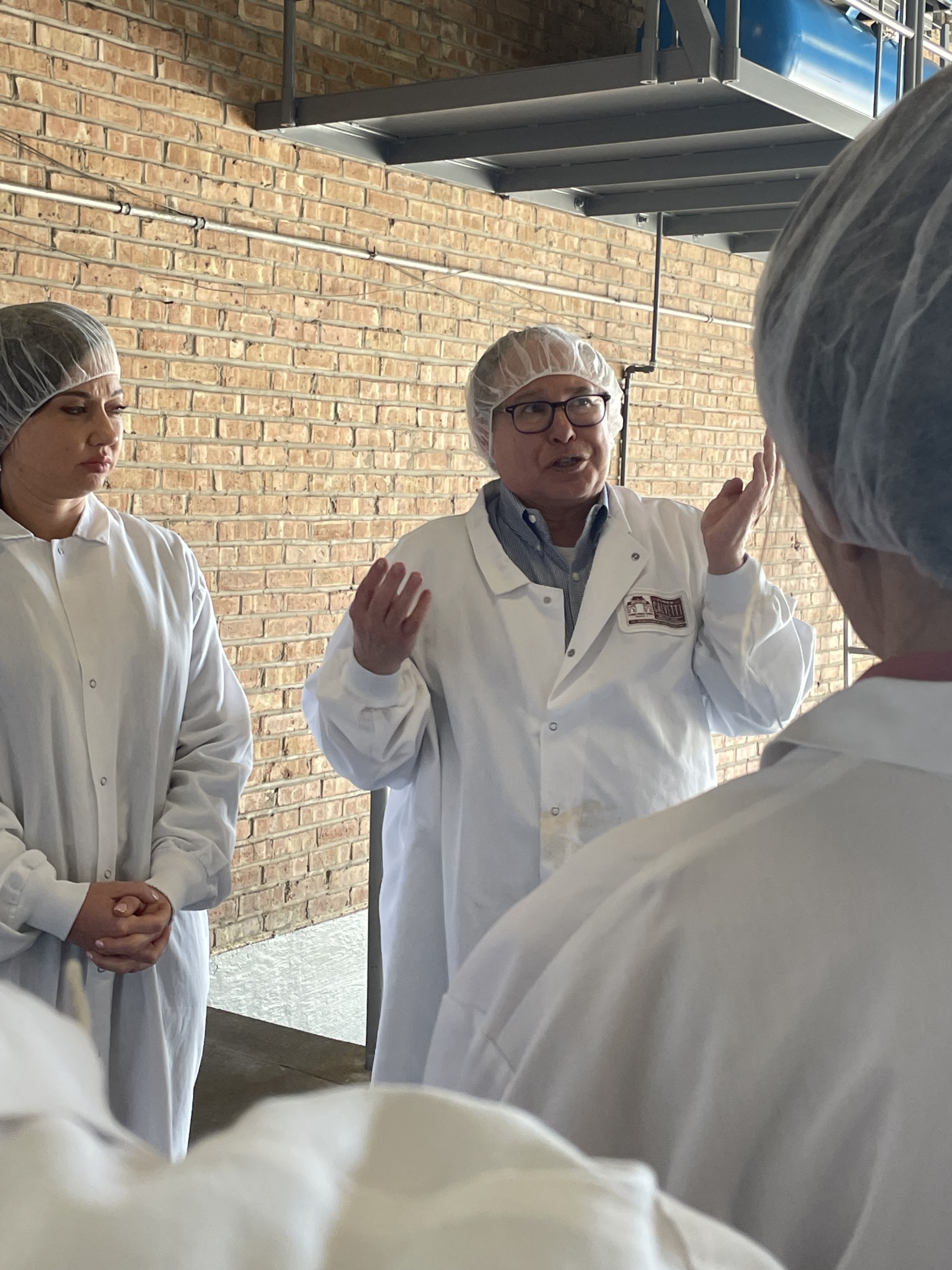
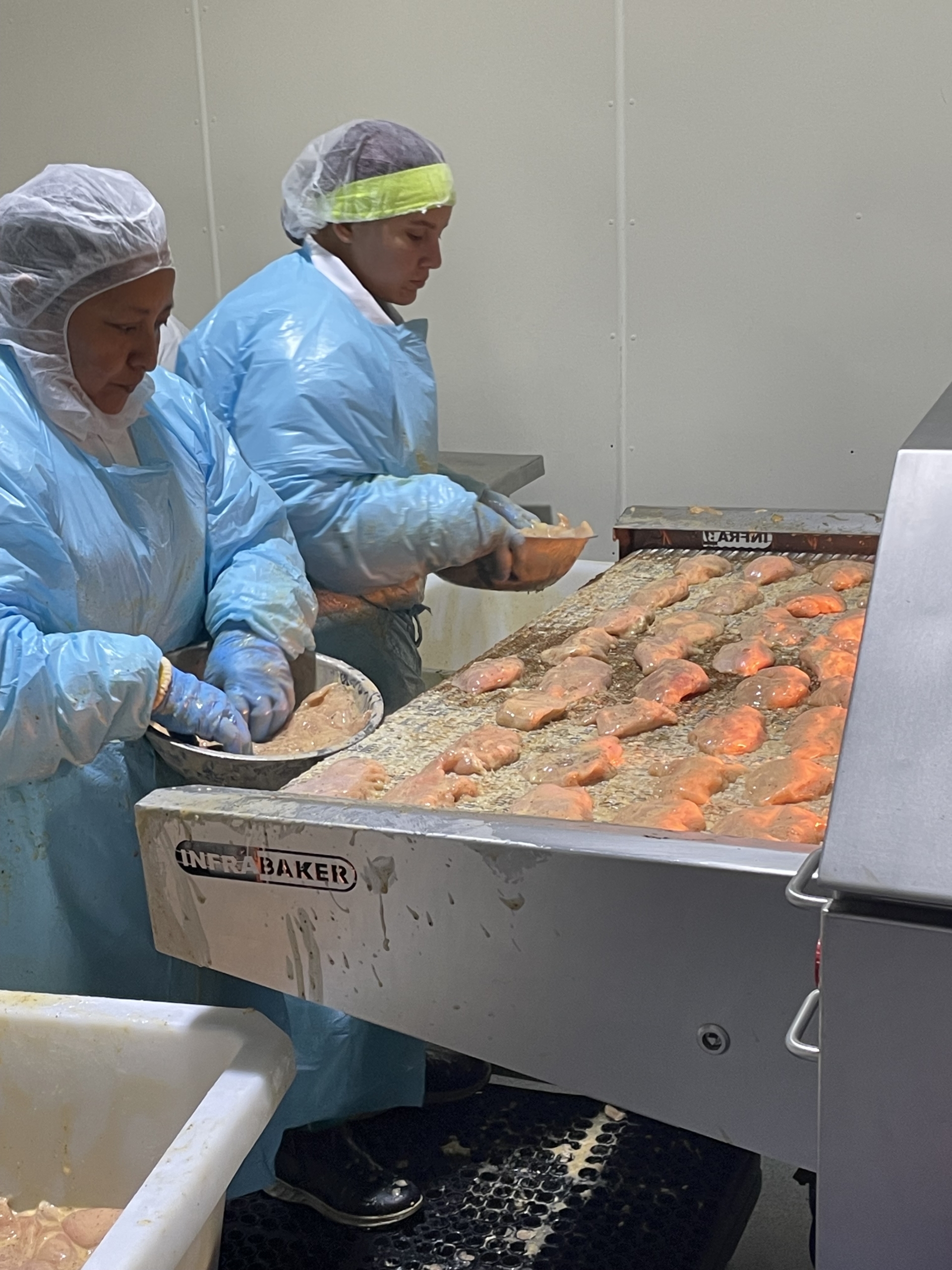
The One Health farm to fork experience spanned all phases of swine production, a feed mill, truck wash and processing plants in Minnesota, South Dakota and Iowa. The educational tour focused on biosecurity, animal wellbeing and sustainability to create a dialogue between human health, animal health and food safety professionals.

“This Checkoff investment is evidence of our holistic approach to connecting directly with our colleagues in the public health sector,” said Heather Fowler VMD PhD MPH DACVPM, director of producer and public health at NPB. “The We Care® Ethical Principles and Pork Quality Assurance® Plus training our producers abide by are proof that we are committed to people, pigs and the planet. It was inspiring to talk directly with the event attendees about how on-farm practices contribute to a healthy community and the health of the people we are proud to feed.”

The following organizations were represented:

  •        Association for State and Territorial Health Officials (ASTHO)
  •        The U.S. Centers for Disease Control and Prevention (CDC)
  •        FDA Center for Veterinary Medicine
  •        Illinois Department of Public Health
  •        Iowa Department of Health and Human Services
  •        Iowa Pork Producers Association
  •        Minnesota Department of Health
  •        Minnesota Pork Board
  •        National Pork Board (host)
  •        NIAA
  •        PIPESTONE
  •        South Dakota Department of Health
  •        South Dakota Pork Producers Council
  •        U.S. Food and Drug Administration
  •       Wisconsin Department of Health Services

“Observing and learning about swine production from farrow to finish highlighted the need of these systems to have the highest rigor of biosecurity and production practices to protect herd health,” said Alexandra Medley DVM MPH, Associate Director for Antimicrobial Resistance for the Centers for Disease Control and Prevention’s (CDC) Division of Foodborne, Waterborne and Environmental Diseases. “In turn, we learned how maintaining a healthy herd can directly and indirectly affect animal, crop, and public health, including enhancing food safety and preventing, within their part of the One Health spectrum, the development and spread of antimicrobial resistance (AR).”

Next month, animal agriculture leaders from multiple species sectors will host a reversal of the previous farm tour experience with a meeting in Atlanta at the CDC campus. This meeting will support CDC delegates as they provide informed One Health information including perspectives and practical applications from experts and professionals in the animal agriculture sector.

“By sharing our respective priorities and challenges as swine producers and public health scientists, we hope that the takeaway is that CDC is eager to collaborate on identifying and furthering efforts to advance human, environmental and animal health and address the threat of AR,” continued Medley. “We are grateful to the producers and companies that graciously brought us into their world to foster learning and discussion across a diversity of topics.”

NIAA to Open Application Period for Advanced Training for Animal Agriculture Leaders

Participants can apply for the 4th Cohort of NIAA’s leadership program beginning September 1

 The National Institute for Animal Agriculture (NIAA) will begin accepting nominations for the fourth Cohort of the Advanced Training for Animal Agriculture Leaders. Nominations are due November 17.

The 16-month leadership program blends in-person and virtual working sessions to focus on four areas of development: critical thinking, leadership development, connecting and relating skills, and operational excellence. Members of the program work together on applied-learning, small-group capstone projects, which will incorporate topics of interest in animal agriculture.

“It’s been a true gift to learn from and collaborate with the other commodity groups, organizations and associations represented within this leadership cohort,” said Sarah Coleman, Kentucky Horse Council and member of Cohort 3. “To learn more about so many things within the ag space is incredible – and to know that each of us, in our own way, is facing the same struggles, whether that is engaging youth, locating workforce, adopting new technology or facing animal rights action groups, is reassuring that there are so many of us who are working to ensure that agriculture is sustainable, in every facet of the word.”

In 2021, NIAA launched the program to provide emerging leaders a new opportunity to gain next-level leadership and professional development training specifically focused on the animal agriculture segment of the industry. Since then, the program has represented a wide range of agricultural sectors. The program empowers professionals in the early to midpoint of their careers to build on previous leadership development experiences and collaborate with peers across the industry to advance animal agriculture’s role in today’s food system.

The United Soybean Board serves as the founding sponsor of the Advanced Training for Animal Agriculture Leaders program, with additional financial support provided by Farm Credit, NIAA and its members and partners. Participant investment for the leadership program is $2,500. With sponsor and participant investments, the leadership program provides an estimated $10,000 in training, resources,  and NIAA membership during the length of the program.

If you or someone you know is interested in the applying for NIAA’s leadership program, please reach out to Jessie Wadle at Jessie.Wadle@animalagriculture.org to express your interest. More information about how to nominate or apply for the program is available at www.animalagriculture.org/leadership-program/.

NIAA Council to Convene Leaders to Address Lameness Across Species

Kansas City, Mo. (July 15, 2024) — The National Institute for Animal Agriculture will host animal agriculture leaders to discuss and address lameness across food animal species January 27-28 at the International Production & Processing Expo (IPPE) in Atlanta, Georgia.

NIAA’s Animal Disease Issues & Emergency Management Council will lead the inaugural roundtable discussion to explore current research and knowledge regarding causes, prevention methods, and treatment of bone health and lameness disease(s) in food animal species – livestock and poultry.

“We are looking forward to a great, collaborative discussion about the issues each species experience and how animal agriculture leaders can collectively address the problems,” said Council co-chair, Dr. Lucas Pantaleon. Outputs from the roundtable will include a white paper along with the next steps – plans to address bone health and lameness.

The planning committee is in the final stages of selecting speakers for the roundtable with expertise in lameness and related diseases. The committee includes:

  • Lucas Pantaleon, NIAA Council Co-Chair
  • Adnan Alrubaye, University of Arkansas
  • Kaitlyn Briggs, Fair Life
  • Doug Ensley, Boehringer-Ingelheim

To learn more about the roundtable and speakers, please visit NIAA’s website, www.AnimalAgriculture.org. Registration fees are $200 for NIAA members and $250 for non-members. For assistance with media registration, please contact Morgan Young, Director of Communications and Outreach for the National Institute for Animal Agriculture at morgan.young@animalagriculture.org.